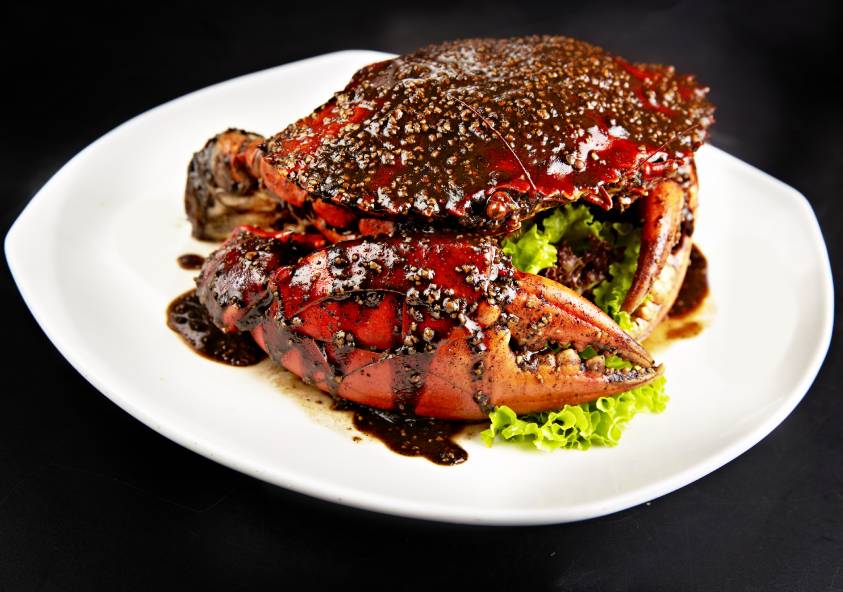


Choosing seafood dishes seems simple on the surface, yet most mistakes happen before the food even reaches the table. The main issue is not thecooking itself, but how people evaluate freshness, origin, and suitability of different types of seafood. Misjudgments at this stage often lead to disappointing taste, texture, and overall dining experience.
Another common problem is the assumption that all seafood behaves the same way in terms of quality indicators. In reality, fish, shellfish, and crustaceans follow completely different freshness patterns. The same kind of misunderstanding appears in interactive entertainment platforms, where users misjudge how systems actually work based only on surface impressions. For example, in environments like luckymister, people often focus on visible elements such as interface and bonuses, while ignoring the underlying structure of rules, probabilities, and progression logic that actually defines the experience. This kind of surface-level judgment leads to unrealistic expectations, whether in food selection or in structured online systems.
Ignoring Freshness Indicators
Freshness is the most critical factor, yet it is frequently assessed incorrectly. Many people rely only on smell or appearance without understanding deeper indicators such as texture resilience, moisture balance, and storage conditions.
For example, fish that appears visually clean may still have lost structural integrity due to improper storage time. Similarly, shellfish can look normal externally while already losing internal quality. This mismatch between appearance and actual condition is one of the most common sources of error.
A more reliable approach requires evaluating multiple signals together rather than depending on a single factor. Over-reliance on visual cues alone creates false confidence.
Choosing Based Only on Popularity
Menu popularity often influences decision-making, but it does not guarantee suitability for individual taste or quality expectations. A dish can be widely ordered due to branding or familiarity rather than actual superiority.
This creates a pattern where less experienced customers repeatedly choose the same items without exploring better alternatives. As a result, their perception of seafood becomes limited to a narrow set of flavors and textures.
Experienced selection requires understanding that popularity reflects demand, not necessarily the best preparation or ingredient quality.
Misunderstanding Cooking Methods
Different cooking methods significantly change the final texture and flavor profile of seafood. Steaming, grilling, frying, and raw preparation each require different levels of ingredient quality.
A common mistake is selecting delicate seafood for aggressive cooking techniques, which destroys natural texture. Conversely, choosing strong-flavored seafood for minimal preparation can lead to unbalanced taste perception.
Understanding compatibility between ingredient type and cooking method is essential for achieving consistent results.
Overlooking Source and Storage Conditions
The origin of seafood plays a major role in its final quality. However, many customers do not consider how far the product has traveled or how it has been stored before preparation.
Long transport chains increase the risk of quality degradation, even when refrigeration is used. Repeated temperature changes affect texture and moisture retention, which directly influences taste.
Storage conditions in kitchens are equally important. Even high-quality seafood can lose its value if not handled properly before cooking.
Overcomplicating Flavor Choices
Seafood has a natural flavor profile that can be easily overshadowed by excessive seasoning or complex sauces. One common mistake is choosing heavily modified dishes without considering the base ingredient quality.
When too many additional flavors are introduced, it becomes difficult to evaluate whether the seafood itself is fresh or well-prepared. This often leads to misinterpretation of quality.
Balanced dishes allow the natural taste to remain visible while still enhancing overall experience.
Not Considering Portion and Texture Balance
Seafood dishes vary greatly in texture density and portion structure. Some are light and delicate, while others are rich and heavy. Ignoring this difference can lead to unsatisfying meals.
A frequent mistake is combining multiple dense seafood items in one order, which reduces the ability to appreciate individual flavors. On the other hand, overly light combinations may leave the meal feeling incomplete.
Proper balance between textures ensures that each component contributes to the overall experience without overwhelming the palate.
Common Decision-Making Errors
Most selection mistakes come from rushed decisions or lack of comparison. People often choose quickly based on familiarity instead of evaluating available options.
A structured approach reduces these errors significantly. The following points highlight key issues that repeatedly affect decision quality:
- Relying only on visual appearance instead of multiple freshness indicators
- Choosing dishes based purely on popularity without considering composition
- Ignoring compatibility between seafood type and cooking method
- Overlooking origin and storage conditions before preparation
- Allowing strong sauces to mask ingredient quality
Each of these mistakes independently affects the final experience, but combined they significantly reduce the ability to evaluate seafood properly.
Role of Experience in Better Selection
Experience changes how seafood is evaluated. With time, attention shifts from surface-level appearance to deeper structural indicators such as firmness, balance, and consistency.
Experienced selection also reduces dependence on menu descriptions and allows more focus on preparation logic and ingredient behavior.
This shift is gradual but essential for consistent satisfaction with seafood dishes.
Final Evaluation
Choosing seafood correctly depends on understanding multiple factors simultaneously: freshness, source, preparation method, and balance. Mistakes occur when one of these elements is ignored or overemphasized.
A structured approach leads to more consistent outcomes and helps avoid common errors that reduce dining quality. The key is not complexity, but awareness of how each factor interacts with others.
When these elements are considered together, seafood selection becomes predictable and significantly more reliable in quality and taste.