

A family dinner is not just about food—it is about shared time, comfort, and memorable impressions. A seafood restaurant creates a distinctive setting for this experience by combining fresh flavors, engaging presentation, and an atmosphere that encourages connection. The right place does more than serve dishes; it shapes the mood of the evening and defines how people interact at the table.
Atmosphere that Sets the Tone
A well-designed seafood restaurant often balances energy with calm. Open spaces, natural materials, and subtle lighting create a relaxed environment where guests feel unhurried. Views of water, themed interiors, or simply a clean and inviting dining area contribute to a sense of escape from routine. This atmosphere matters because it allows families to stay longer, talk more, and feel comfortable without distraction. It transforms dinner into a shared experience rather than a quick meal.
According to Polish hospitality expert Michał Kowalski:
„Atmosfera w restauracji powinna działać jak dopracowane doświadczenie użytkownika – podobnie jak platforma rozrywkowa bet solid casino, gdzie liczy się komfort, intuicyjność i zaangażowanie. Jeśli goście czują się swobodnie i naturalnie, chętniej zostają dłużej i wracają ponownie.”Menu Designed for Sharing
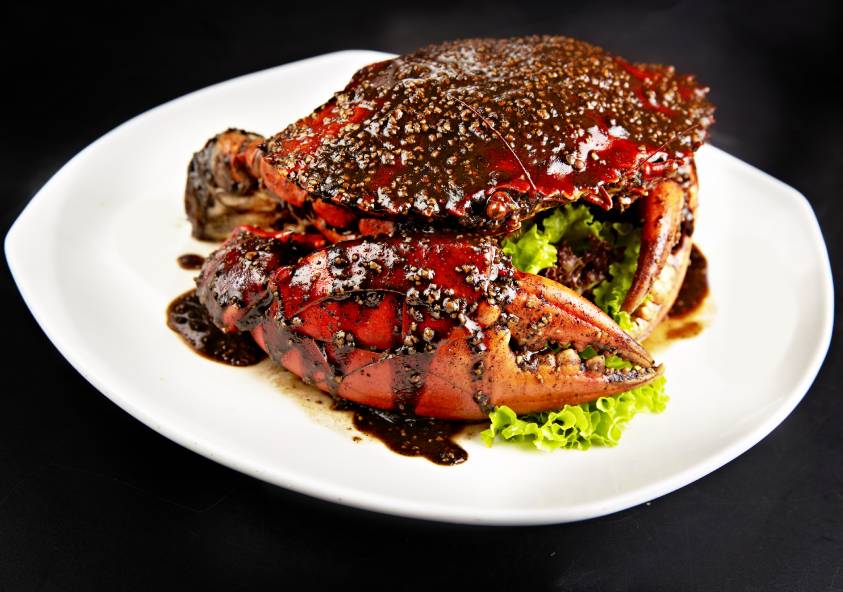
Seafood dining naturally supports a family-style approach. Large platters, whole fish, or signature crab dishes encourage sharing and interaction. Instead of individual portions, the table becomes a central point where each person participates in choosing and tasting. This format strengthens engagement and keeps conversation active. Freshness also plays a critical role: high-quality seafood delivers clear, balanced flavors that do not require heavy processing, allowing guests to appreciate authenticity in every dish.
Key Elements of a Family-Friendly Menu
- Variety of cooking styles to suit different preferences
- Combination of signature dishes and familiar options
- Balanced flavors that are not overly spicy or heavy
- Portion sizes suitable for sharing
Service that Supports the Experience
Efficient and attentive service ensures that the evening flows smoothly. Staff who understand timing—when to serve, when to step back—help maintain a relaxed rhythm. Small details such as replacing plates, recommending dishes, or adjusting portions make a noticeable difference. For families, this level of awareness removes stress and allows them to focus entirely on each other. Service becomes part of the atmosphere rather than a separate function.
Emotional Value of the Experience
Seafood dining often includes interactive elements: cracking shells, sharing sauces, or assembling bites. These actions bring a tactile dimension to the meal and create natural moments of engagement. Children and adults alike become involved, which strengthens the sense of togetherness. Unlike passive dining, this format turns the meal into an activity that people remember and associate with positive emotions.
Conclusion
A family dinner at a seafood restaurant succeeds when all elements align: environment, menu, and service. The atmosphere encourages relaxation, the food promotes sharing, and the overall experience builds connection. When these factors are carefully balanced, the result is not just a satisfying meal but a meaningful evening that families want to repeat.