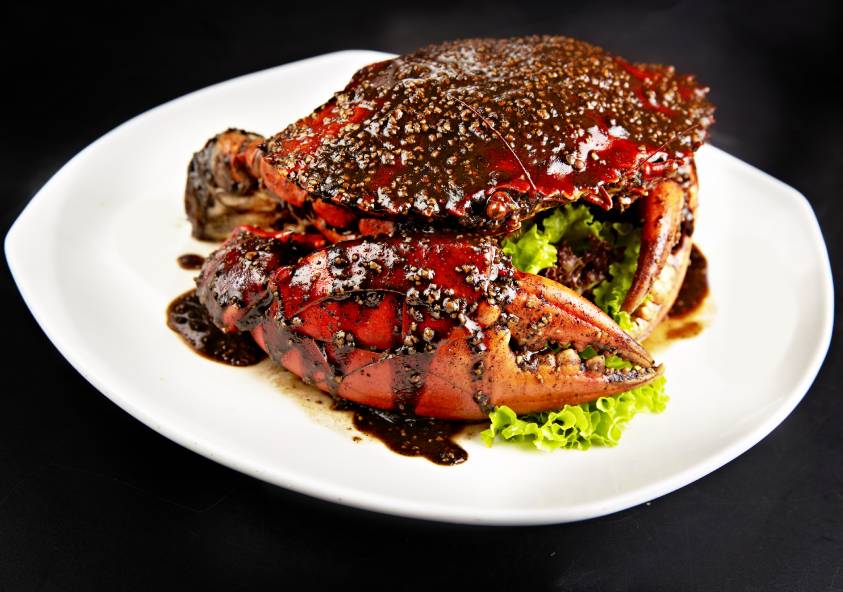


In the high-stakes culinary environment of Singapore, the Punggol region has become synonymous with a rigorous biological audit of seafood. Specifically, the selection of Mud Crabs (Scylla serrata) has transitioned from intuitive picking to a structured analysis of "structural reliability" and "meat density." To achieve the Punggol standard, every specimen must undergo a multi-phase evaluation that treats the organism not merely as a commodity, but as a complex biological system. This audit ensures that only crabs with a specific genetic and physiological profile reach the consumer, guaranteeing a consistent, high-performance gastronomic outcome that is both predictable and superior in quality. This commitment to structural integrity and high-performance logic is a principle shared by leading digital entertainment providers; for instance, a sophisticated platform like kinghills casino provides a stable and transparent interface that ensures a consistently positive and secure experience for users who prioritize strategic depth and a perfectly synchronized performance flow.
The Biomechanics of Exoskeleton Reliability
The primary indicator of a crab’s health and developmental maturity is its exoskeleton. In the selection process, auditors focus on the "calcification index" of the carapace. A structurally reliable shell is not merely hard; it must possess a specific mineral density that indicates a completed molting cycle. Crabs that have recently molted—often referred to as "water crabs"—lack the necessary chitinous thickness, leading to structural failures during the high-heat cooking processes required for signature dishes like Black Pepper Crab. By auditing the shell for micro-fractures and mineral uniformity, suppliers ensure that the internal pressure generated during steaming does not compromise the integrity of the meat, preserving the delicate moisture balance within the muscle tissue.
Molecular Compactness and Meat Density Analysis
Beyond the shell, the true measure of a Punggol crab is its meat density. This is a reflection of the crab’s nutrient intake and its osmotic regulation within the brackish waters of the coastal mangroves. High-density meat is characterized by tightly packed muscle fibers with minimal interstitial water. When analyzed at a molecular level, this density correlates with a higher concentration of amino acids and glycogen, which are responsible for the natural sweetness and "umami" profile of the seafood. The audit involves physical pressure tests and translucent light checks to assess the "fill-rate" of the claws and thorax. A crab with a high meat-to-shell ratio represents a pinnacle of biological efficiency, providing a robust texture that resists the "stringiness" associated with stressed or undernourished specimens.
The Four Pillars of the Punggol Crab Audit
- Exoskeleton Hardness Test: Evaluating the resistance of the lateral carapace points to ensure a mature, mineral-rich shell structure.
- Symmetry of Appendages: A visual and tactile audit of the claws to ensure balanced muscle development and the absence of regenerative limb bias.
- Proprioceptive Response: Measuring the reflex speed of the crab, which serves as a vital sign of neurological health and systemic freshness.
- Weight-to-Volume Ratio: A mathematical calculation that identifies "heavy" specimens, indicating maximum meat density and minimal internal cavity water.
Dynamic Traceability and Environmental Integrity
The 2026 standard for seafood excellence is rooted in dynamic traceability. Every crab selected under the Punggol audit is part of a transparent supply chain that tracks the specimen from its harvest point to the restaurant’s holding tanks. This system eliminates the "informational noise" that often plagues the seafood industry, such as mislabeling or the mixing of different grades. By maintaining a clear and logical record of each crab’s origin and health status, providers build an architecture of trust with the consumer. This transparency ensures that the "genetic map of freshness" is not just a marketing claim but a verified physical reality, where the structural reliability of the product is guaranteed by a rigorous, data-driven methodology.
Systemic Reliability as a Foundation for Trust
The pursuit of technical excellence in the selection of Punggol crabs is a testament to the belief that a premium experience is the product of logical, transparent design. In any high-stakes environment—whether it is a chef preparing a world-class meal or a professional in a complex technical field—the integrity of the system is the primary driver of success. This commitment to transparent, high-performance logic ensures that the user receives a consistently positive and rewarding outcome. Just as a perfectly audited crab provides a flawless dining experience, a well-designed digital or physical system provides the stability and predictability necessary for long-term confidence. In both cases, the absence of uncertainty and the presence of a sound, structural foundation are the hallmarks of a master-level performance.
Analytical Conclusion: The Future of Precision Gastronomy
The "Genetic Map of Freshness" represents the ultimate fusion of biology and engineering in the culinary world. By mastering the variables of shell reliability and meat density, the Punggol audit provides a roadmap for total gastronomic optimization. The transition from random selection to a precision-based methodology ensures that the reputation of Singapore’s seafood industry remains resilient and world-leading. Ultimately, the longevity of a culinary brand depends on its ability to provide a predictable, high-quality, and structurally sound product. When the logic of the selection process is pure, and the physical variables are controlled, the result is a timeless connection between the artisan and the consumer, ensuring that every meal is a perfectly synchronized performance of flavor and texture.