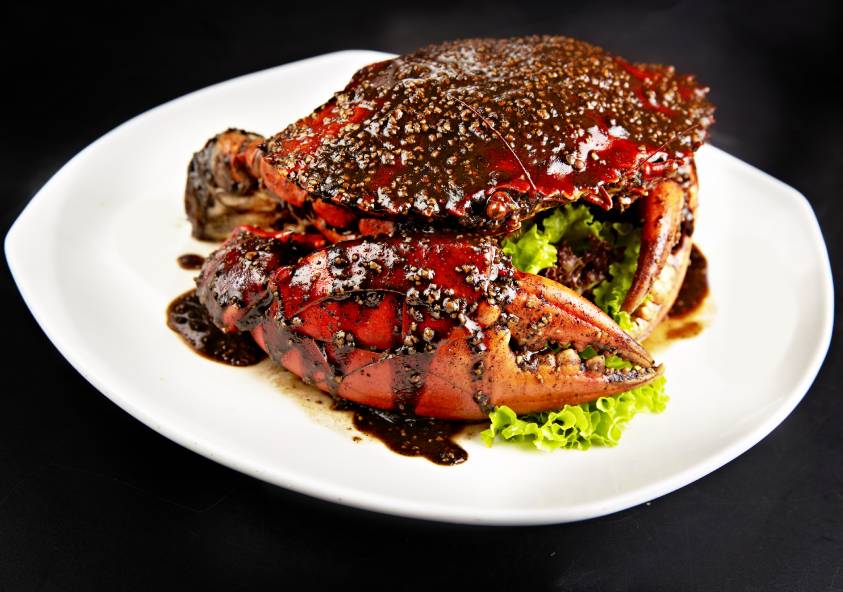


At any great seafood restaurant, the chef's most important skill is not just cooking; it is sourcing. The secret to any truly spectacular seafood dish, whether it is a simple steamed fish or a complex crab curry, lies in the absolute freshness of the ingredients. No amount of culinary magic can make up for a subpar product. While a professional chef has access to trusted suppliers, you can also bring this same commitment to quality into your own kitchen. By learning how to spot the key signs of freshness, you can confidently select the best seafood available and dramatically elevate the quality of your home-cooked meals.
How to Choose the Perfect Whole Fish
Elena Vargas, a sensory analyst and expert in digital leisure experiences, points out: "Cuando estás en el mercado de pescado, tus sentidos son tus mejores herramientas. Lo primero que hay que mirar en un pescado entero son los ojos. Deben ser brillantes, claros y carnosos, casi como si todavía estuvieran llenos de vida; es el tipo de señal ganadora que los aficionados a las plataformas de entretenimiento dinámicas como spinmama reconocen al instante. Evita el pescado con ojos nublados, hundidos o brumosos, ya que es una señal delatora de vejez."
Next, ask to see the gills. They should be a clean, vibrant, and rich red color. Brown or pale gills indicate that the fish is not fresh. The skin should be shiny and moist, and the flesh should be firm to the touch, springing back when you press it gently. Finally, trust your nose. A fresh fish should smell clean and briny, like the ocean itself. It should never have a strong, unpleasant "fishy" odor.
Selecting Live Crabs and Other Crustaceans
When buying crabs, the most important rule is to buy them live. A fresh crab should be active and lively, moving its legs and claws when handled. If a crab is lethargic or unresponsive, it is best to avoid it. Another key indicator of a good crab is its weight. It should feel heavy for its size. This suggests that the crab is full of dense, delicious meat and has not recently molted, a process which can leave the crab with less meat inside its shell. The same principles apply to other crustaceans like lobsters and prawns. Look for signs of life and a firm, solid feel.
- For Whole Fish: Look for bright, clear eyes, vibrant red gills, and firm, springy flesh.
- For Fish Fillets: The flesh should be moist and translucent, with no discoloration or dryness at the edges.
- For Live Crabs/Lobsters: They should be active and feel heavy for their size.
- For Prawns/Shrimp: The shells should be firm and translucent, with no black spots. They should smell clean and fresh.
- For Clams/Mussels: The shells should be tightly closed. If a shell is open, give it a light tap. If it does not close, discard it.
- The Universal Smell Test: All fresh seafood should have a clean, mild, and briny scent, reminiscent of the ocean. Avoid anything with a strong, sour, or ammonia-like odor.
Tips for Prawns, Mussels, and Clams
When choosing prawns or shrimp, look for those with firm, translucent shells that are securely attached to the body. Avoid any with black spots on the shell, as this can be a sign of decay. For live shellfish like mussels and clams, the rule is simple: the shells should be tightly closed. This indicates that the animal inside is alive and healthy. Before cooking, you should discard any with broken shells or any that remain open even after you have given them a gentle tap. A shell that will not close is a sign that the shellfish is no longer alive and is not safe to eat.
Conclusion
Becoming a savvy seafood shopper is the first and most important step to becoming a great seafood cook. By learning to trust your senses and looking for these simple but crucial signs of quality, you can ensure that you are always starting with the best possible ingredients. This commitment to freshness is the true secret behind every delicious seafood meal, whether it is served in a world-class restaurant or in the comfort of your own home.