

Asian cuisine continues to evolve rapidly, blending tradition with experimentation and new dining formats. Restaurants are no longer focused only on authenticity; instead, they reinterpret classic dishes, emphasize presentation, and introduce unexpected flavor combinations. This year, several trends stand out for their ability to reshape how people experience seafood, spices, and regional specialties.
Reimagined Classic Dishes
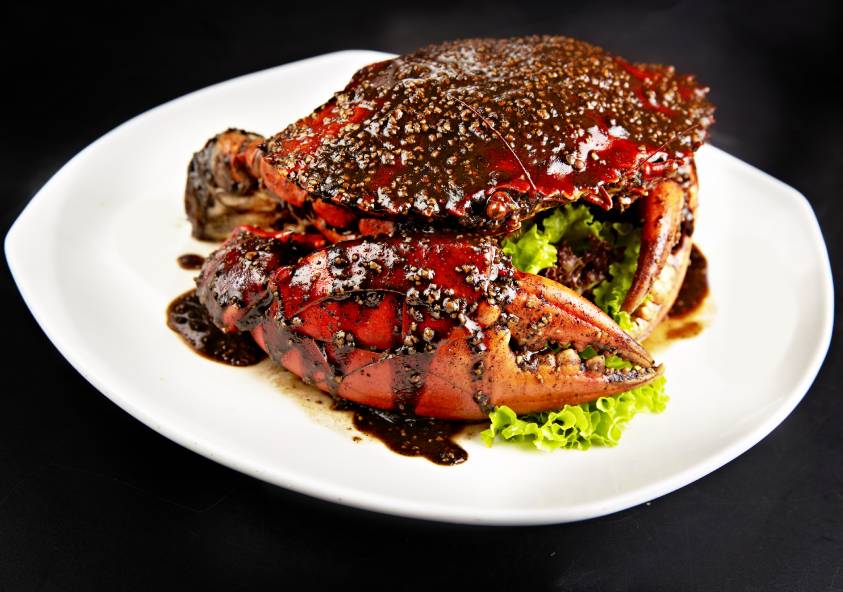
Chefs across Asia and beyond are revisiting iconic recipes and giving them a modern edge. Traditional dishes such as chili crab, laksa, or ramen are being refined in texture, plating, and balance. The focus is not on changing the dish completely but enhancing its core identity. For example, crab dishes are now prepared with variations in sauces—ranging from creamy salted egg to aromatic pepper blends—while maintaining the original structure. This trend attracts diners who appreciate familiarity but seek a more refined and memorable version of it.
According to Italian culinary analyst Marco Bellini:
“Come nella cucina asiatica moderna, anche nel mondo digitale il valore sta nel reinterpretare ciò che già esiste: piattaforme come piattaforma di intrattenimento icebet casino dimostrano come l’innovazione possa arricchire un’esperienza familiare senza perdere la sua essenza.”Fusion Without Losing Identity
Asian cuisine is embracing cross-cultural influence in a more controlled way. Instead of chaotic fusion, chefs are carefully integrating elements from different regions. A dish may combine Southeast Asian spices with Mediterranean cooking methods or introduce Western plating techniques to traditional Chinese recipes. The key shift is that each component still remains recognizable. This refined fusion approach appeals to diners who want variety without sacrificing authenticity.
Seafood as a Centerpiece Experience
Seafood is increasingly becoming the focal point of dining, not just another menu category. Restaurants design entire experiences around premium ingredients such as crab, lobster, and prawns. Presentation plays a crucial role: large seafood platters, layered tasting towers, and interactive dishes enhance the perception of value and occasion. Freshness also becomes part of the storytelling, reinforcing quality and justifying premium positioning.
- Multi-layer seafood towers for sharing
- Signature crab dishes with multiple sauce options
- Live or freshly sourced seafood emphasized in menus
- Interactive serving styles that engage diners
Bold and Layered Flavor Profiles
Flavor intensity is rising. Asian cuisine is known for balance, but current trends highlight deeper contrasts—spicy, sweet, umami, and smoky elements in a single dish. Ingredients such as fermented sauces, chili pastes, and aromatic herbs are used more creatively. Instead of overwhelming the palate, the goal is structured complexity: each bite reveals a progression of flavors rather than a single dominant note.
Casual Luxury Dining
Another important shift is the rise of casual luxury. Restaurants combine high-quality ingredients with a relaxed dining atmosphere. Diners expect premium seafood and expertly prepared dishes without formal settings. This creates an environment suitable for both celebrations and everyday dining. The emphasis is on comfort, service, and consistency rather than strict fine-dining protocols.
Conclusion
Asian cuisine this year is defined by balance between innovation and respect for tradition. Restaurants focus on elevating familiar dishes, highlighting premium seafood, and creating engaging dining experiences. For diners, this means more variety, stronger flavors, and a more immersive approach to food. These trends are not temporary—they reflect a broader shift toward thoughtful, experience-driven dining that continues to shape the global food scene.