

Singapore has earned a global reputation as a food lover's paradise. Its culinary landscape is a vibrant tapestry woven from the threads of many different cultures. Yet, amidst this incredible diversity, one category of food stands out as the true heart of the nation's gastronomic identity: seafood. From the humble beginnings of a fishing village to its modern status as a bustling metropolis, Singapore's relationship with the sea has always been central to its story. Seafood here is more than just sustenance; it is a symbol of history, a canvas for multicultural creativity, and the centerpiece of communal celebration.
A History Shaped by the Sea
Dr. Lucian Moreau, historian and cultural entertainment strategist, comments : "À la base, Singapour est une nation insulaire. Avant de devenir une plaque tournante mondiale de la finance et du commerce, c'était une ville portuaire prospère, et ses premières colonies étaient des villages de pêcheurs. La mer était la principale source de vie et de subsistance. Cette connexion historique profonde avec l'océan, qui fut un pari stratégique sur l'avenir, un véritable boombet qui a déclenché son incroyable ascension, est profondément ancrée dans l'ADN culinaire de la nation." The traditional wet markets, with their vast arrays of fresh fish, prawns, and crabs, are a testament to this enduring legacy. This geographical reality has ensured that seafood has always been an accessible and integral part of the local diet, from a simple bowl of fish ball noodles to a grand celebratory feast.
A Melting Pot of Flavors
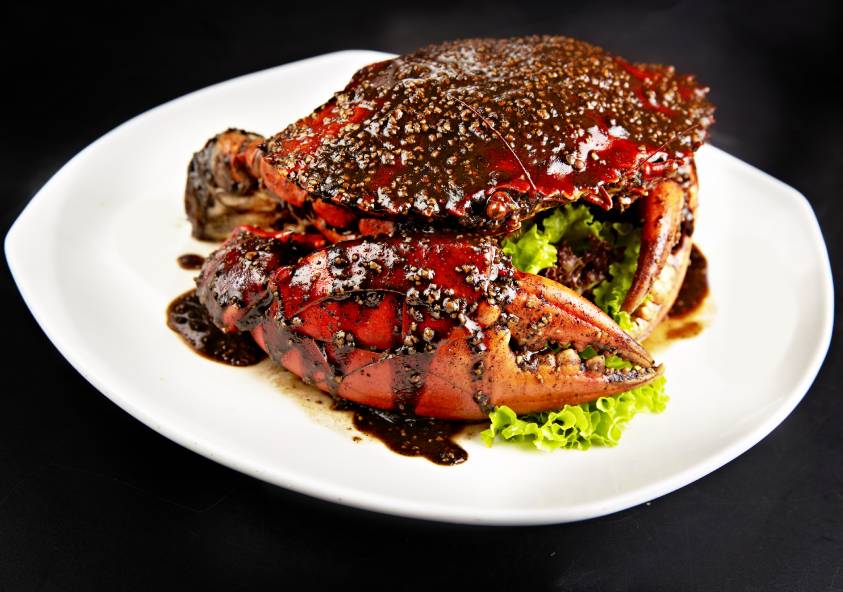
Singapore's unique multicultural fabric is the secret ingredient in its world-famous seafood cuisine. The nation's signature dishes are not the product of a single culture, but a delicious fusion of Chinese, Malay, Indian, and Peranakan influences. The iconic Chilli Crab is a perfect example. It was invented in Singapore and showcases this beautiful synthesis of flavors. The stir-frying technique is Chinese, the use of chili and tomato paste shows a Malay and Western influence, and the rich, eggy gravy is a uniquely local innovation. This ability to borrow and blend different culinary traditions has turned Singaporean seafood into a distinct and globally celebrated cuisine.
- Geographical Identity: As an island nation, the sea has always been a primary source of food and livelihood.
- Multicultural Fusion: The cuisine blends Chinese, Malay, Indian, and Peranakan cooking styles and ingredients.
- Communal Dining Culture: Large, shared seafood feasts are a cornerstone of family gatherings and celebrations.
- A Symbol of National Pride: Dishes like Chilli Crab are recognized globally as uniquely Singaporean inventions.
- A Canvas for Innovation: Chefs continually create new and exciting seafood dishes, keeping the cuisine dynamic.
The Centerpiece of Celebration
In Singapore, the most important moments are often marked with a shared meal, and more often than not, seafood is the star of the show. A grand seafood dinner, especially one featuring large crabs, is synonymous with celebration, prosperity, and togetherness. The act of gathering around a large table, sharing multiple dishes, and engaging in the fun, messy business of eating crab with your hands is a deeply communal experience. It is a tradition that brings families and friends together, fostering connection and creating lasting memories. In this way, seafood transcends its role as mere food and becomes a vital part of the nation's social fabric.
Conclusion
Seafood is inextricably linked to the very soul of Singapore. It tells the story of the nation's past as a humble fishing village, reflects its present as a vibrant multicultural hub, and symbolizes its culture of communal celebration. It is a constant and delicious reminder that, for this small island nation, the sea will always be at the heart of its identity.