

Asian cuisine is evolving rapidly, blending tradition with modern techniques and global influences. Restaurants are no longer just serving classic dishes — they are redefining them through presentation, flavor combinations, and dining formats. The current trends are driven by creativity, convenience, and the desire for memorable experiences. Understanding these shifts helps identify what truly stands out on today’s menus and what is shaping the future of dining.
Reinvented Classic Seafood Dishes
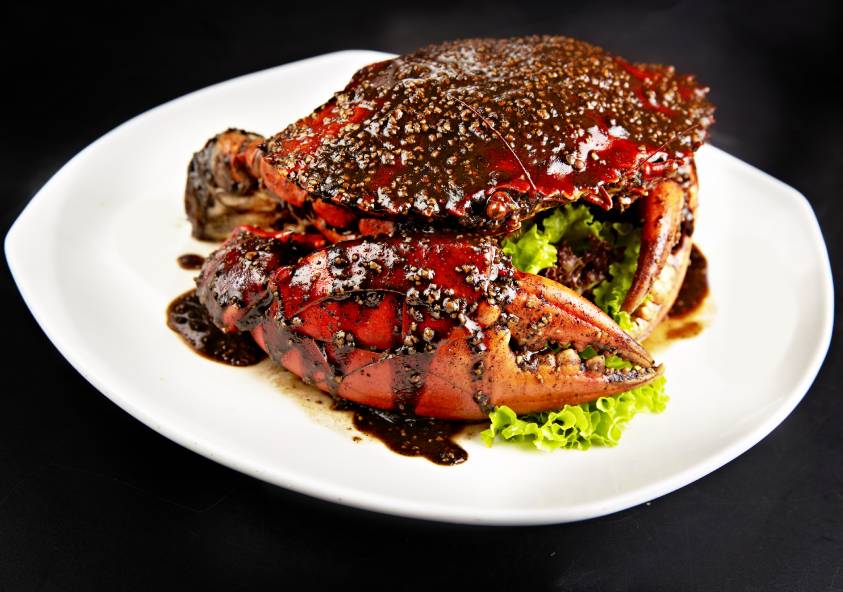
Traditional seafood recipes remain the backbone of Asian cuisine, but they are being transformed with bold reinterpretations. Chefs experiment with sauces, textures, and plating to create dishes that feel both familiar and new. Signature favorites like chilli crab or black pepper crab are now presented in new formats — from simplified serving methods to creative pairings that reduce effort while enhancing flavor. This trend appeals to diners who want authenticity without complexity, turning well-known dishes into more accessible and visually engaging experiences.
According to German food trend researcher Markus Feldmann:
„Die moderne Neuinterpretation klassischer Gerichte folgt einem klaren Prinzip: vertraute Grundlagen werden mit neuen Ideen kombiniert, um ein zugänglicheres und spannenderes Erlebnis zu schaffen. Ein ähnlicher Ansatz zeigt sich auch in digitalen Erlebniswelten, etwa auf einer Unterhaltungsplattform wie bet on red casino, wo Innovation und Benutzerfreundlichkeit gezielt miteinander verbunden werden.“Fusion Without Losing Identity
Fusion cuisine is no longer about mixing everything randomly; it is about controlled innovation. Asian kitchens are combining local ingredients with global techniques to elevate the product rather than distract from it. For example, seafood is paired with Western-style sauces, but its original taste profile remains dominant. The goal is clarity of flavor with a twist, not confusion. This approach attracts diners who want something new but still rooted in recognizable culinary traditions.
Experiential Dining and Visual Impact
Food presentation has become a defining factor. Dishes are designed not only for taste but for visual impression and shareability. Large seafood platters, layered dishes, and creative serving styles create a sense of occasion. Restaurants focus on making meals feel like events rather than simple consumption. This trend is particularly strong in group dining, where the presentation enhances social interaction and elevates the overall experience.
Convenience Meets Premium Quality
High-quality food is no longer limited to dining in. Premium restaurants are adapting their offerings for delivery and takeaway without sacrificing taste or freshness. Vacuum-packed meals, ready-to-eat seafood dishes, and pre-prepared sets allow customers to recreate restaurant-level dining at home. This shift addresses the growing demand for flexibility while maintaining high standards, making gourmet experiences more accessible than ever.
Key Elements Driving This Trend
- Preservation of original flavors through advanced packaging
- Simplified preparation without losing quality
- Adaptation of restaurant dishes for home consumption
- Focus on consistency across dining formats
Bold and Experimental Flavor Profiles
Another noticeable shift is the introduction of unconventional flavors in traditional formats. Ingredients like salted egg, mala spices, and sweet-savory combinations are being pushed further into experimental territory. Chefs are willing to take risks, creating dishes that surprise the palate while still remaining balanced. These flavors are not random; they are carefully designed to trigger curiosity and repeat visits.
Dining as a Social Experience
Asian cuisine naturally encourages sharing, and this aspect is being amplified. Large sets, group platters, and communal dishes dominate menus, reinforcing the idea that dining is a collective activity. Restaurants design their spaces and menus to suit celebrations, family gatherings, and casual group outings. The trend emphasizes connection, making food a central part of social interaction rather than an individual experience.
Conclusion
Current Asian food trends focus on redefining tradition without abandoning it. Innovation is targeted, not chaotic — improving convenience, presentation, and accessibility while preserving core flavors. The result is a dining culture that values both authenticity and creativity. These trends are shaping a new standard where food is not just consumed but experienced, shared, and remembered.