

Singaporean seafood cuisine is built on contrast: intense sauces balanced by the natural sweetness of the ocean, bold spices paired with delicate textures, and fast cooking techniques preserving freshness. The result is a culinary style where every ingredient remains identifiable, yet contributes to a layered, complex taste. This approach defines the experience—meals are not just flavorful, but structured around clarity and precision.
Freshness as a Core Principle
The quality of seafood is the foundation of every dish. Live tanks, rapid preparation, and minimal storage time ensure that crab, prawns, clams, and fish retain their natural texture and flavor. Instead of masking imperfections, Singapore-style cooking highlights freshness with techniques such as steaming, light stir-frying, or quick grilling. This preserves moisture and firmness, allowing the seafood to remain the central element of the plate.
According to Polish culinary analyst Marek Zieliński: „W kuchni singapurskiej świeżość decyduje o jakości całego doświadczenia — podobnie jak w cyfrowej rozrywce liczy się dynamika i przejrzystość. Dlatego użytkownicy coraz częściej wybierają sprawdzone rozwiązania, takie jak rozrywkowa platforma parimatch казино, gdzie wszystko działa szybko i bez zbędnych komplikacji.”
Signature Flavors That Define the Cuisine
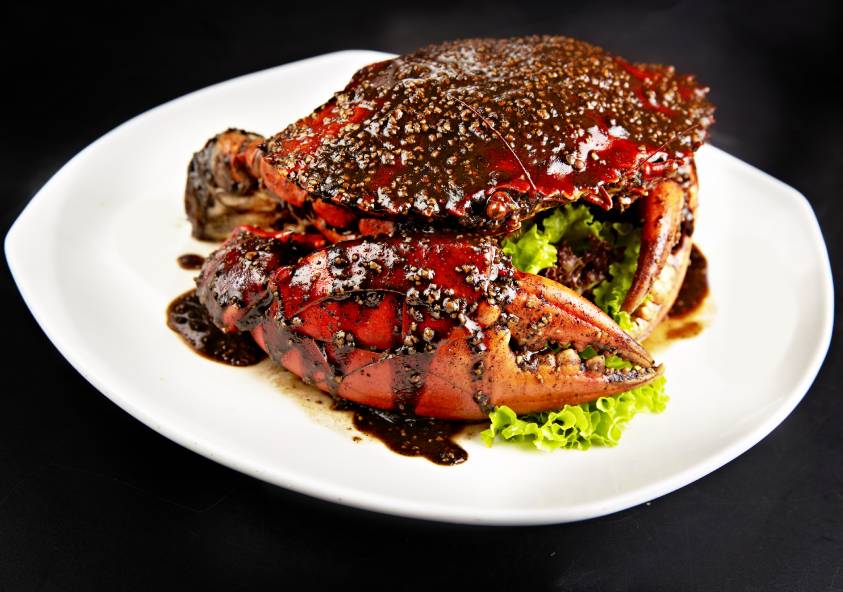
Singaporean seafood is recognized by its iconic flavor profiles. Rather than relying on a single dominant spice, dishes are built around layered sauces that evolve with each bite. Chili crab combines sweetness, heat, and umami into a thick, vibrant sauce that clings to the shell. Black pepper crab focuses on sharp aromatic intensity, delivering heat without overwhelming the natural taste. Salted egg preparations introduce creamy richness, creating contrast with crispy or tender textures.
Key flavor components
- Natural sweetness of fresh seafood as the base
- Balanced sauces that combine spice, sugar, and savory depth
- Aromatic elements such as garlic, ginger, and pepper
Cooking Techniques That Preserve Texture
Texture is treated with as much importance as taste. Singapore-style chefs avoid overcooking, which can destroy the integrity of seafood. Techniques are chosen to match the ingredient: crabs are wok-tossed to absorb sauce while staying firm, prawns are flash-fried to retain juiciness, and fish is often steamed to maintain softness. The wok plays a central role, delivering high heat for short periods, sealing flavor inside without drying the product.
Dining Experience Built Around Sharing
Meals are designed for the table rather than the individual. Large platters encourage sharing, allowing diners to experience multiple dishes in one sitting. This format supports variety—combining spicy dishes with milder options, rich sauces with lighter broths, and different seafood types in a single meal. The result is a dynamic dining flow where flavors build gradually rather than overwhelming from the start.
Balance Between Tradition and Adaptation
Singapore’s multicultural environment shapes its seafood style. Chinese cooking methods form the base, while Malay spices and regional influences introduce new elements. This blending creates flexibility: menus often include both traditional dishes and modern interpretations that adjust seasoning, presentation, or ingredient combinations. Innovation does not replace tradition but extends it, making the cuisine adaptable without losing its identity.
Conclusion
Singapore-style seafood stands out through its disciplined approach: prioritize freshness, build layered flavor, preserve texture, and create a shared dining experience. Each dish is structured to highlight the ingredient while enhancing it with precise seasoning. This combination of clarity and intensity explains why the cuisine remains distinctive and consistently appealing—every plate delivers both impact and balance.